Enquiring Ear

Field recording and found sounds

Tag: Devon

  • Watersmeet – National Trust

    Watersmeet – National Trust

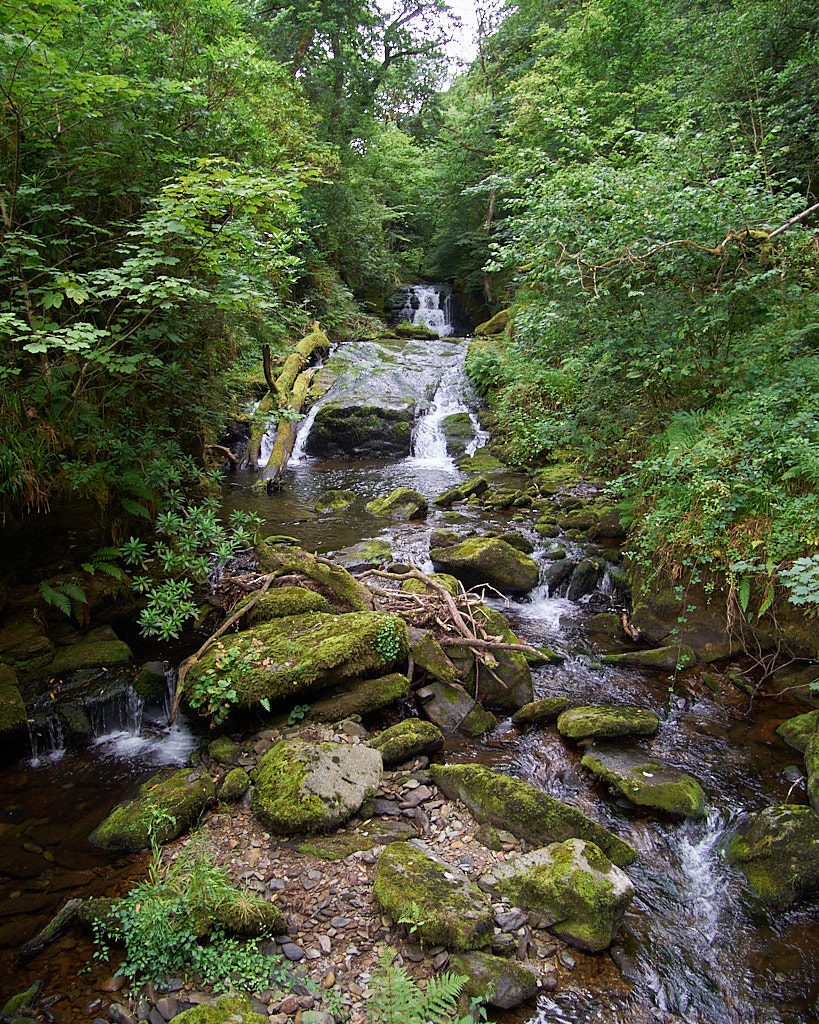
    Exmoor is a Dark Sky area noted for an absence of light pollution. Soundscapes are much purer1 too, and here at the footbridge to the National Trust’s Watersmeet House the rivers cascade over rocks to join heading west, finding their way to the sea at Lynmouth.

    A surprising number of people who cross the footbridge at SS743487 don’t look up from their phones to see the falls in the header picture. There is poor mobile reception at the Devon County council car park for the site (it’s not a National Trust car park) so perhaps they’re deep in the tribulations of the Ringo mobile parking app2. Reception seemed to improve for them by the bridge.

    The circular walk eastwards along the East Lyn river to the footbridge and back along the other side is a charming mix of little cascades and slower pools, one of these at SS752488 just before the footbridge has a totally different sound

    Watersmeet is a good soundwalk opportunity. I didn’t hear so many birds here, fair enough for midsummer, the forest gives me the feeling this would be a great Spring soundscape.

    1. Largely due to similar reasons: the low population density, but the terrain with deep valleys reduces acoustic spillover. Aircraft noise remains the usual pestilence, with Bristol Airport drawing it in. The terrain slightly helps with that, the high sea cliffs seem to shelter this a little ↩︎
    2. Coins are accepted OK, at the time of writing, take 50ps and 10ps as well as pound coins as it’s odd amounts and o change is given ↩︎
  • Lynton Cliff Railway

    Lynton Cliff Railway

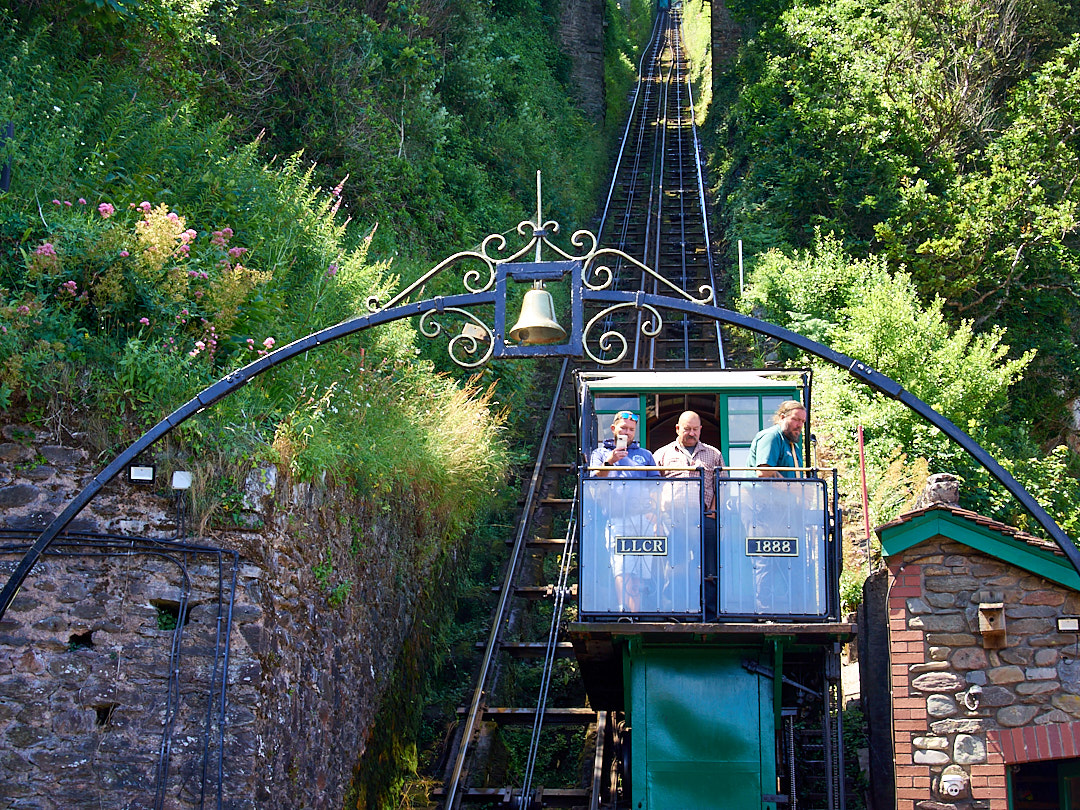
    The Lynton Cliff Railway1 runs between the upstation in Lynton, 500 feet about the downstation in Lynmouth. It’s certainly a walk worth avoiding!

    Start of the journey on the Lynton cliff Railway. Bell rings, gates are closed and the carriage starts to trundle down the track. This was built in 1890 and is water powered – water piped from the river is poured into a 700 gallon tank at the top station, and the carriage descends, which pulls the one at the down station up via the steel ropes. The water is discharged at the bottom.

    the upstation showing the pulley and cables running on rollers down the middle of the tracks

    The queue for the journey back was massive, so I walked back up. I stopped at the bridge over the track to record the sound of the cables running over the rollers along the middle of the track

    Bridge over the track – a z-shaped winding path

    The cars go up and down frequently so it doesn’t take too long to get one, but if the queue reaches the Exmoor information centre at Lynmouth as it did one day, it takes about half an hour to get to the carriage.

    1. Lynton and Lynmouth Cliff Railway website ↩︎
  • Eerie call of Tawny Owls hooting in the evening

    Eerie call of Tawny Owls hooting in the evening

    This tawny called near the doorway of a holiday cottage in Sidmouth. It’s a lovely evocative sound. I hear them at home too, they’re common as muck according to the RSPB distribution map. This one was disturbingly close, and he was getting a reaction from another tawny. Presumably saying keep off my lawn in Owl language.

    Olympus LS14 XY

    Tawnies have a rep for being pugnacious and you can’t hear ’em coming . The photographer Eric Hosking lost an eye to one. I stood in the doorway, the dishwasher was running so it makes a faint background, as do the neighbours. It was a surprising encounter in Cheese Lane, Sidmouth – a row of terraced houses surrounded by other housing.

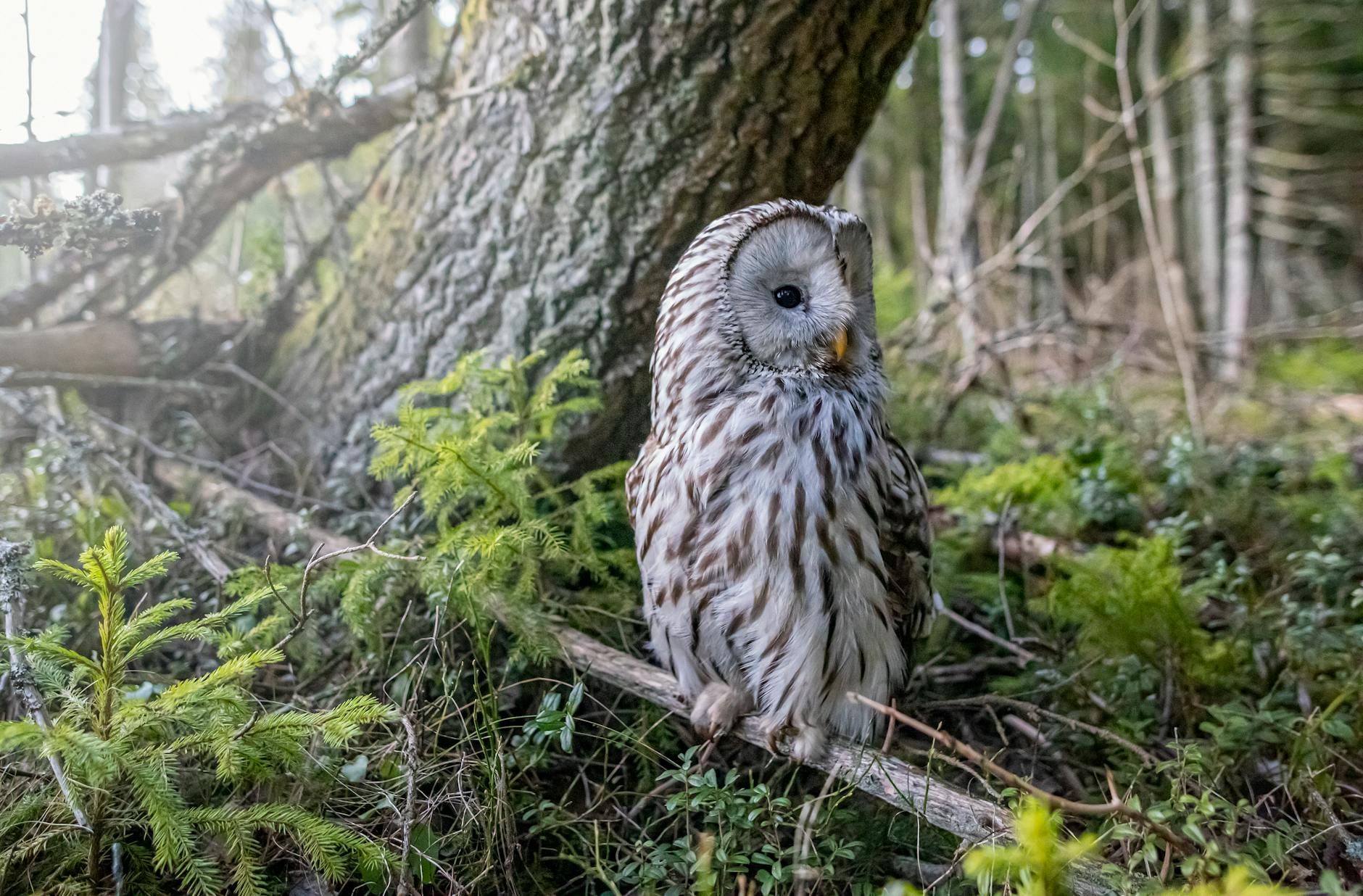
    The picture’s not of this owl. Looks a bit odd for a tawny but it was a WordPress freebie. There’s a bit of an AI feel to it. The straight AI offering had gorgeous eyes but was spooky.

    Owls are spooky enough on their own without added AI creepiness

  • Sounds of Seaton Tramway

    Sounds of Seaton Tramway

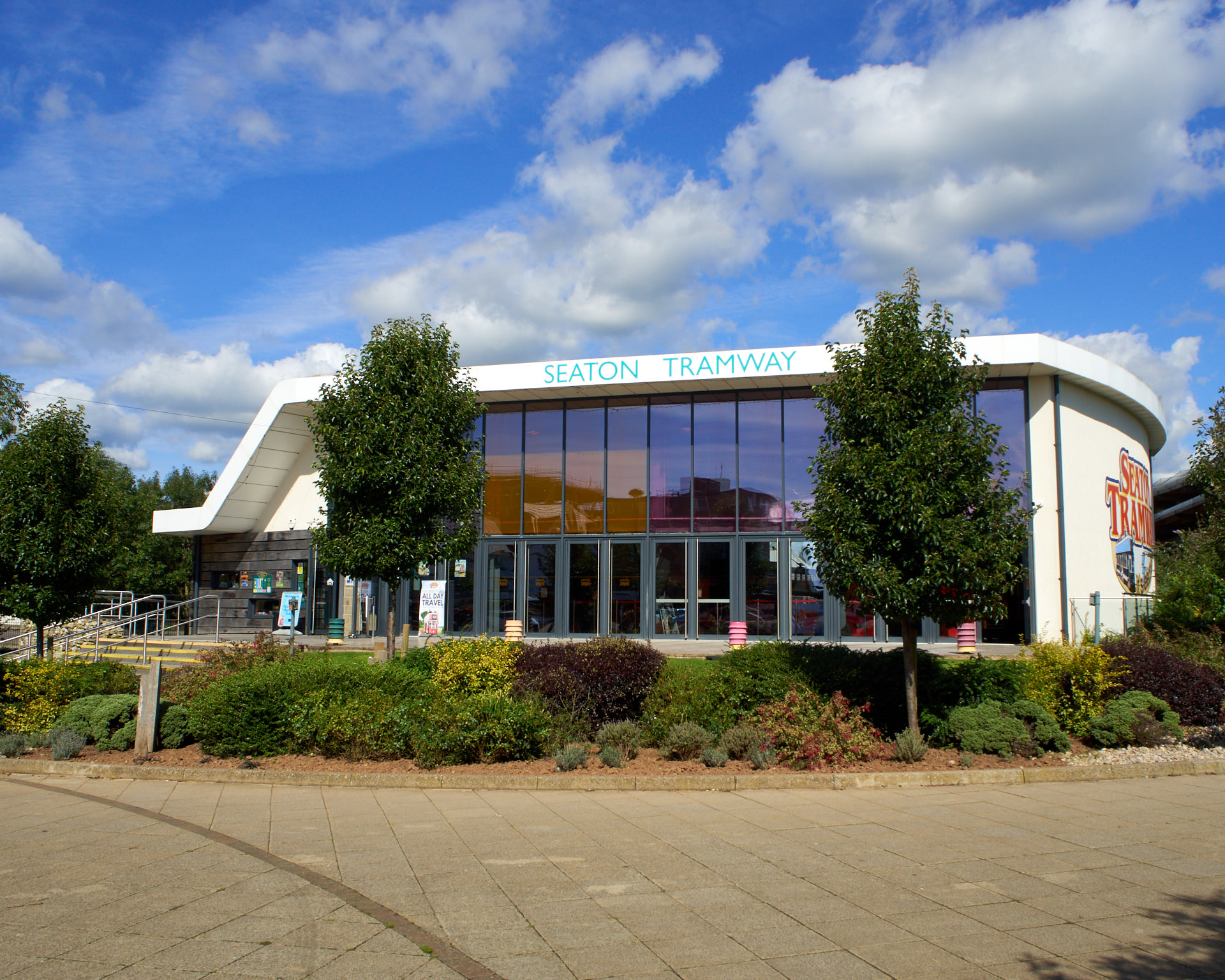
    Seaton Tramway were running open-top trams on a pleasant sunny September afternoon, bringing an unusual perspective to Colyford level crossing. I normally experience level crossings as a road user, and even from trains it’s usually only audible at one side.

    XY recording, Olympus LS14

    It’s a great way to overlook the Seaton Wetlands nature reserve. The driver pointed out this Kestrel on the tram power poles. We saw little egrets, grey herons, cormorants and some Curlew. They run occasional birdwatching trips on the tramway too.

    Kestrel

    The tramway makes an interesting sound running past – there must be a gearbox between the motor and wheels. The control system is quite rudimentary, you only have about four positions.

    The drivers control throttle, with limited speed positions

    You can hear this under load when the driver runs slowly, pulsing the power on and off.

    The recorded tram, photo taken from the station platform after the driver switched cabs for returning.

    The next recording is taken from the Colyton terminus, with a tram passing the platform to the terminus.

    XY recording, Olympus LS14

    Seaton Tramway has an interesting history. It uses some of the old trackway from Seaton Junction to Seaton. This branch line was taken out in the Beeching axe. Claude Lane was looking for a permanent site; Claude had run trams at Rhyl then at Eastbourne. He bought the trackway fron British Rail and he and an assistant moved the tram from Eastbourne. This took 36 lorry round trips from September 1969. The first passenger service at Seaton ran on the August Bank Holiday of 1970.

    The system voltage is 120V DC, with battery stations along the lines, presumably to minimise line losses at such a low voltage.